
Palaces · 6 MIN READ
Topkapı Palace vs Dolmabahçe Palace: Which Should You Visit?
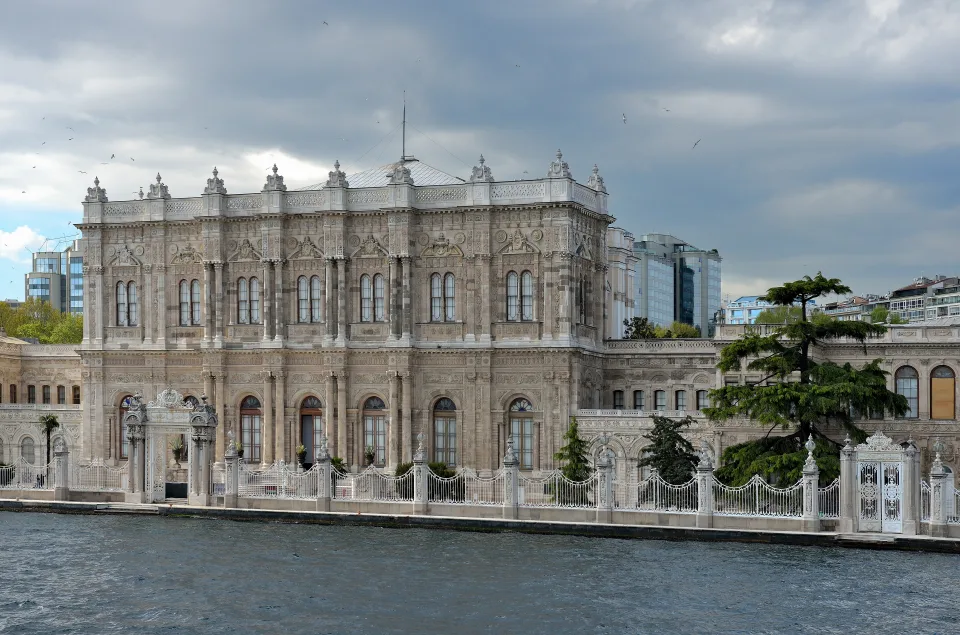
Istanbul has two great imperial palaces, and they could hardly be more different. Topkapı is the palace of the classical Ottoman Empire: a walled complex of courtyards, pavilions and gardens on the tip of the historic peninsula. Dolmabahçe is its 19th-century successor: a European-style palace along the Bosphorus, with crystal staircases and vast ceremonial halls.
The short answer
- Choose Topkapı if this is your first visit, you are staying near Sultanahmet and you want the deep story of the Ottoman Empire: relics, treasury, Harem and courtyard views.
- Choose Dolmabahçe if you are drawn to the empire’s final century, grand 19th-century interiors and the Bosphorus shore, or you want a shorter, more structured visit.
- See both if you have three days or more: they tell the beginning and the end of the same story.
Side by side
| Topkapı Palace | Dolmabahçe Palace | |
|---|---|---|
| Built | 1460–1478, expanded over centuries | 1843–1856 |
| Style | Ottoman courtyards and pavilions | European styles on a traditional Ottoman plan |
| Where | Sultanahmet, next to Hagia Sophia | Beşiktaş, on the Bosphorus |
| Time needed | 2.5–3 hours with the Harem | About 1.5–2 hours |
| Closed | Tuesdays | Mondays |
| Foreign-visitor ticket (2026) | Combined (palace, Harem, Hagia Irene): 2,750 TL | Selamlık, Harem and Painting Museum: 2,000 TL |
Ticket offices at both palaces open at 09:00 and stop selling at 17:00; children aged 0–6 enter free. Prices change during the year, so check millisaraylar.gov.tr before you go.
Topkapı Palace: the heart of the classical empire
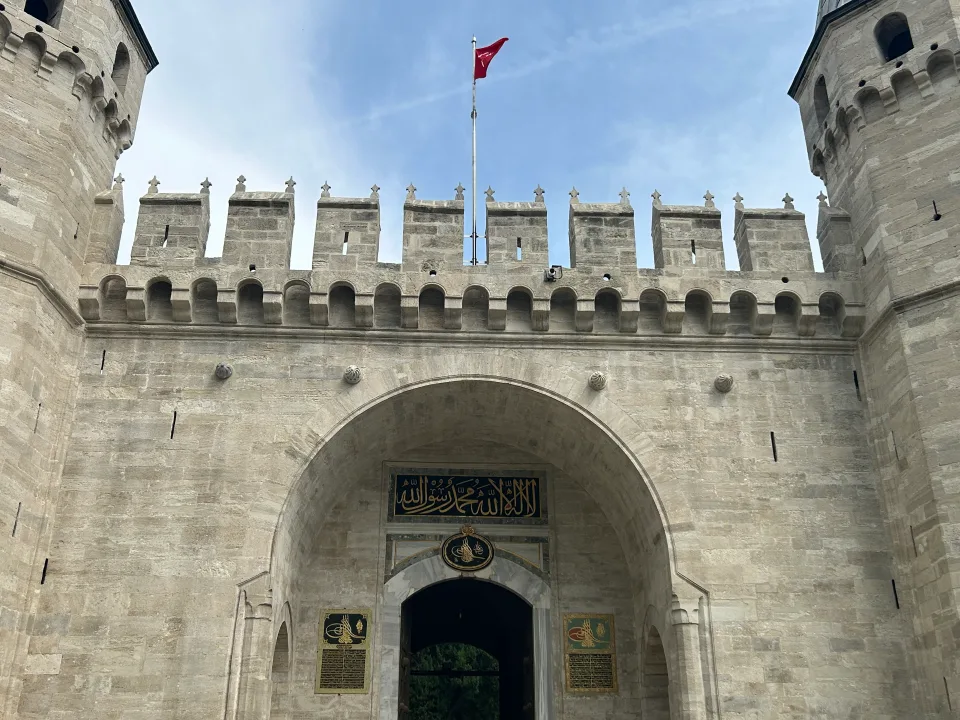
Mehmed II began Topkapı after the conquest of Constantinople, and it remained the sultans’ home and the centre of the empire until the mid-19th century; in 1924 it became the first museum of the new Republic. The First Courtyard was public and holds the Byzantine church of Hagia Irene; the Second holds the Imperial Council and the entrance to the Harem; the Third the Treasury and the Chamber of the Sacred Relics; the Fourth the Baghdad and Revan kiosks and terraces over the Bosphorus and the Golden Horn.
Topkapı involves a lot of walking and some queues inside, especially for the Treasury and the Relics. Go early, and if a section has a queue, see another courtyard first. It pairs naturally with Hagia Sophia and the Blue Mosque — see our one-day Sultanahmet itinerary.
Dolmabahçe Palace: the empire’s last century
By the 1840s Topkapı no longer met the needs of state protocol, and Sultan Abdülmecid built Dolmabahçe on the shore at Beşiktaş. Six sultans and the last caliph lived here; Mustafa Kemal Atatürk stayed in the palace and died here on 10 November 1938. Dolmabahçe opened as a palace museum, with its original furnishings, in 1984. Its 285 rooms and 44 halls include the Selamlık with the Crystal Staircase, the domed Ceremonial Hall and the Harem.
The visit follows a set route, so it is less flexible than Topkapı, and photography inside is limited to permitted areas without flash. Pair it with a walk along the Bosphorus to Beşiktaş — see Bosphorus cruise or shore tour?
Which palace is better for families?
Both work, in different ways. Topkapı’s open courtyards and gardens give children room to move, and the Treasury’s jewels tend to hold their attention. Dolmabahçe is shorter but follows a fixed indoor route that can feel long for young children. With small children we usually suggest Topkapı in the morning with a garden break, rather than a full day of palaces.
Can you visit both in one day?
Yes, between Wednesday and Sunday (Topkapı closes on Tuesdays, Dolmabahçe on Mondays): Topkapı in the morning, lunch in Sultanahmet, the T1 tram from Sultanahmet to Kabataş, then a short walk to Dolmabahçe — arriving well before its ticket office stops selling at 17:00. It is a full day; spreading the two palaces across two days is more enjoyable.
Seeing the palaces with a private guide
Both palaces have audio guides and you can visit either on your own. A private guide adds the connection between them — why the empire moved from Topkapı’s courtyards to Dolmabahçe’s shore — and handles timing on the day.
- Topkapı Palace private tour: meet your guide at the Fountain of Sultan Ahmed III, between Hagia Sophia and Topkapı Palace.
- Dolmabahçe Palace private tour: meet your guide at the Dolmabahçe Clock Tower.
You choose the start time between 10:00 and 14:00. Transportation to the meeting point is not included, and palace tickets are not included in the tour price — guests buy them separately.
Explore our private tours Book your Istanbul experience · Contact us on WhatsApp
Frequently asked questions
Is Topkapı or Dolmabahçe better?
For most first-time visitors, Topkapı: it covers four centuries of Ottoman history and sits next to Hagia Sophia. Dolmabahçe suits travellers who prefer 19th-century interiors, the Bosphorus shore or a shorter visit.
Which days are the palaces closed?
Topkapı Palace is closed on Tuesdays; Dolmabahçe Palace on Mondays.
How much are the tickets in 2026?
For foreign visitors: Topkapı’s combined ticket is 2,750 TL and Dolmabahçe’s ticket is 2,000 TL. Children aged 0–6 enter free. Check millisaraylar.gov.tr for the current price.
How do I get from Topkapı to Dolmabahçe?
Take the T1 tram from Sultanahmet to Kabataş; Dolmabahçe is a short walk from the Kabataş stop.
Istanbul private tours for this route
 Topkapi: Behind the Palace Gates
 Dolmabahçe: Palace Light on the Bosphorus
 Istanbul’s Story in Two Days
Continue exploring
One Day in Sultanahmet: The Perfect Walking Itinerary
Hagia Sophia, the Blue Mosque, Topkapı Palace and the Basilica Cistern in one walking day: the order, timings and 2026 ticket notes.
Read the story BosphorusBosphorus Cruise or Shore Tour? How to Choose the Right Day
Ferry, sightseeing cruise, private boat or shore walk: what you see, tips for families and how to choose.
Read the storyPhoto credits
- Dolmabahçe Palace seen from the Bosphorus — Wolfgang Moroder · CC BY-SA 3.0 · resized
- The Gate of Salutation at Topkapi Palace — Premeditated · CC BY-SA 4.0 · resized

