
Planning · 6 MIN READ
The Best Time to Visit Istanbul: A Month-by-Month Guide
Istanbul works all year, but each season changes the trip. Spring and autumn are the easiest months for long walking days; summer brings heat, long evenings and the biggest crowds; winter is cooler and wetter but quieter. Below are the official monthly averages from the Turkish State Meteorological Service, what each season means for families, and the weekly closing days to plan around.
The short answer
- Best overall: April–May and September–October — mild days for walking and fewer rainy days than winter.
- Summer (June–August): average highs around 27–30 °C, long sunny days, the busiest months — start early and plan indoor breaks.
- Winter (December–February): average highs around 9–11 °C and 13–15 rainy days a month, short days, smaller queues.
Istanbul month by month
| Month | Average high | Average low | Rainy days |
|---|---|---|---|
| Jan | 9 °C | 4 °C | 15 |
| Feb | 10 °C | 4 °C | 13 |
| Mar | 12 °C | 5 °C | 12 |
| Apr | 17 °C | 9 °C | 8 |
| May | 22 °C | 13 °C | 8 |
| Jun | 27 °C | 18 °C | 7 |
| Jul | 30 °C | 21 °C | 4 |
| Aug | 30 °C | 21 °C | 3 |
| Sep | 26 °C | 17 °C | 6 |
| Oct | 21 °C | 14 °C | 10 |
| Nov | 16 °C | 9 °C | 11 |
| Dec | 11 °C | 6 °C | 13 |
Source: Turkish State Meteorological Service (MGM), long-term averages for Istanbul. Average daily sunshine ranges from about 3 hours in December to about 11.5 hours in July.
Spring: March to May
March is still cool and changeable; April and May are the classic months for Istanbul, with average highs of 17 °C and 22 °C and the city’s parks in bloom. These are popular months, so book tours and hotels early, and keep a light jacket for the evenings by the water.
Summer: June to August
July and August are the warmest and driest months, with average highs near 30 °C and only three or four rainy days. Days are long, the Bosphorus is at its best and the evenings are lively — but the big sights are at their busiest. With children, see the indoor sites early, rest in the hottest hours and go out again in the late afternoon. Our tours start between 10:00 and 14:00, so you can choose a morning start.
Autumn: September to November
September keeps summer warmth (average high around 26 °C) with fewer crowds; October is mild and often the most pleasant month for long walks, though rain becomes more frequent. November turns cooler and wetter. Note that winter visiting hours begin on 1 October at some sites — for example, the Blue Mosque closes to visitors at 17:00 instead of 19:00.
Winter: December to February
Winter is the quietest season: average highs of 9–11 °C, frequent rain and occasional snow, and short days with about three to four hours of sunshine. Queues are shorter and the city feels local. Plan around the light — start early, keep indoor sights such as Hagia Sophia, Topkapı’s Harem and the Basilica Cistern for wet hours, and bring waterproof shoes for the cobblestones.
Days of the week that change the plan
| Monday | Dolmabahçe Palace closed |
|---|---|
| Tuesday | Topkapı Palace closed |
| Friday | Blue Mosque visits from 14:30; Hagia Sophia’s visiting area closed 12:00–14:00; Chora closed to visitors |
| Sunday | Grand Bazaar closed |
Religious holidays move about 11 days earlier each year: the Grand Bazaar closes and some sites change their hours, so check the dates of your trip. Our guides for Hagia Sophia, the Blue Mosque, Topkapı and the Grand Bazaar have the details.
Planning your days with a private guide
Whatever the season, the order of the day matters more than the month: we plan around closing days, prayer times and the weather on the day. Popular choices: The Heart of Sultanahmet (about 3 hours, €179.99 for up to 5 guests online) for a short winter day, and In the Footsteps of Empires (a full day from 10:00, €279.99) when the days are long. See also how many days you need. Entrance tickets are not included in the tour price.
Explore our private tours Book your Istanbul experience · Contact us on WhatsApp
Frequently asked questions
What is the best month to visit Istanbul?
For most families, April, May, September or October: mild temperatures for walking and fewer rainy days than in winter.
How hot is Istanbul in summer?
In July and August the average high is around 30 °C and the average low around 21 °C, according to the Turkish State Meteorological Service.
Is Istanbul worth visiting in winter?
Yes, if you plan for rain and short days: queues are shorter and most major sights are indoors.
Which month is the rainiest?
January has the most rainy days on average (about 15), followed by February and December.
Istanbul private tours for this route
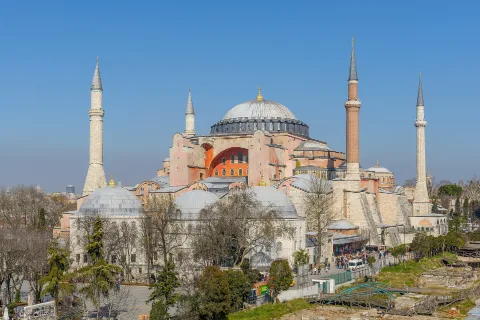 The Heart of Sultanahmet
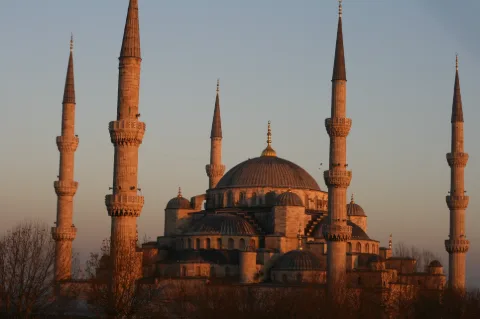 Istanbul: In the Footsteps of Empires
 Breakfast on the Bosphorus, History on the Shores
Continue exploring
How Many Days Do You Need in Istanbul? Plans for 1 to 5 Days
What one, two, three or five days in Istanbul really cover — with family pacing, closing days and arrival-day tips.
Read the story PlanningWhere to Stay in Istanbul with Kids: The Best Areas Compared
Sultanahmet, Sirkeci, Karaköy, Galata, Beşiktaş or Kadıköy: the best areas to stay in Istanbul with children.
Read the storyPhoto credits
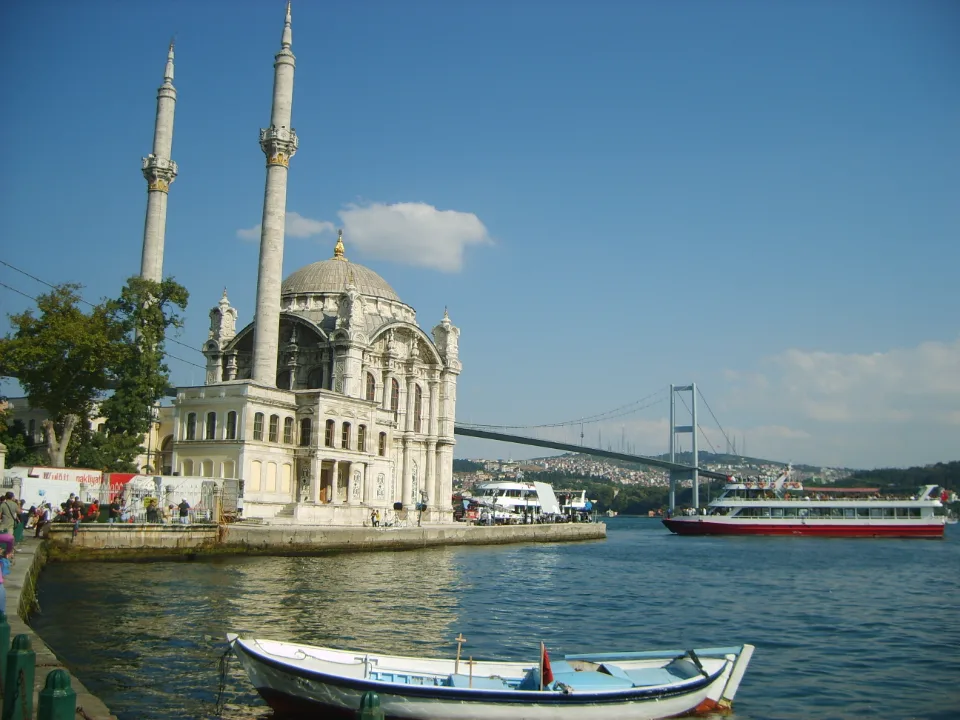
- Ortaköy Mosque beside the Bosphorus and bridge — Danbury · CC BY-SA 3.0 · resized
